Deep Dive into Materials: "Wood" – The Heart of MDM’s Exhibition Booth Structures
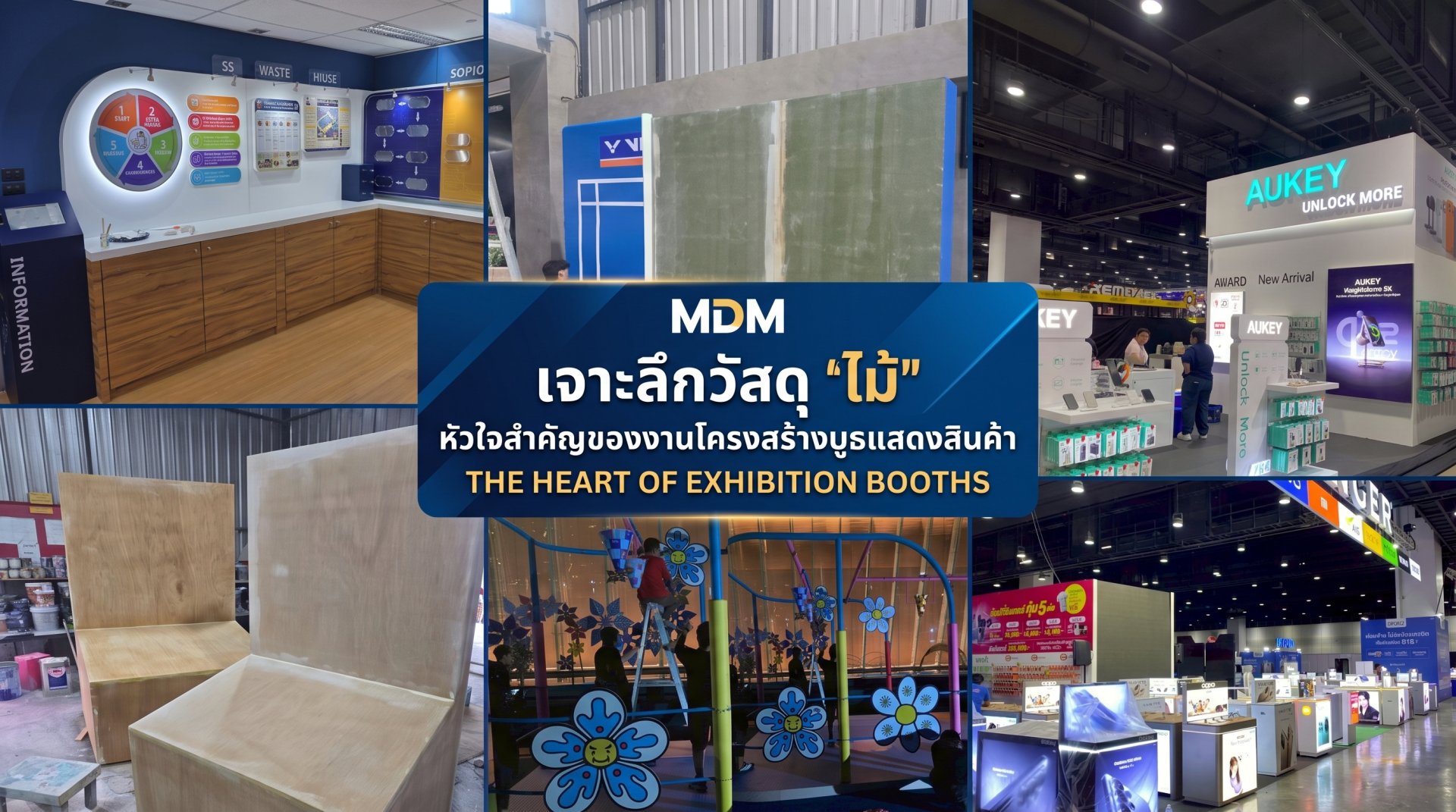
If you’ve ever walked through a trade show and been captivated by a stunning booth—featuring a sleek counter, striking brand logos, or sturdy product displays—did you know that wood is the true unsung hero holding it all together behind the scenes?
In the world of booth fabrication and installation, not all wood is created equal. Each type serves a distinct purpose. Today, we’re taking a deep dive into the types of wood we use and where they go to ensure your booth is gorgeous, flawless, and completely safe.
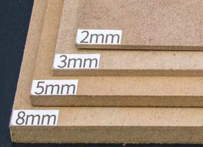
1. MDF (Medium Density Fiberboard): The Star of Finishes & Design
MDF is made from fine wood fibers combined with resin and pressed under high heat into smooth panels. It is an absolute must-have in the exhibition industry.
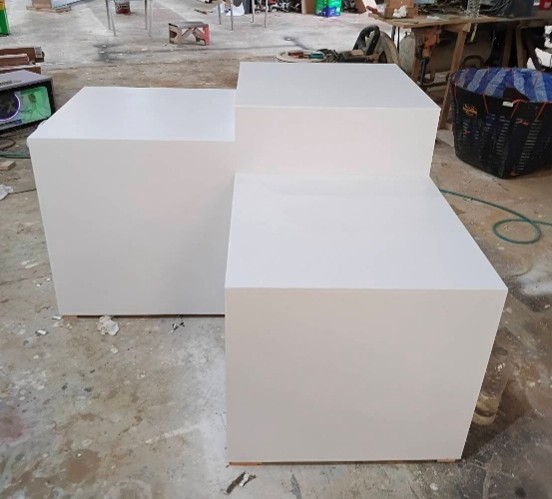
Why MDF? Its greatest superpower is its ultra-smooth, uniform surface with zero splinters. Once filled and spray-painted, it achieves a flawless, wall-like finish. When laminated, it stays completely flat without waves.
Applications by Thickness:
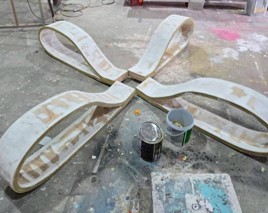
3 - 6 mm (Thin): Perfect for curved structures, such as circular counters or wavy booth walls, because it bends easily into shape.
9 - 15 mm (Thick): Ideal for decorative wall panels, floating brand logos, or CNC/laser-cut lettering, offering sharp, clean edges.
2. Plywood: The Structural Backbone
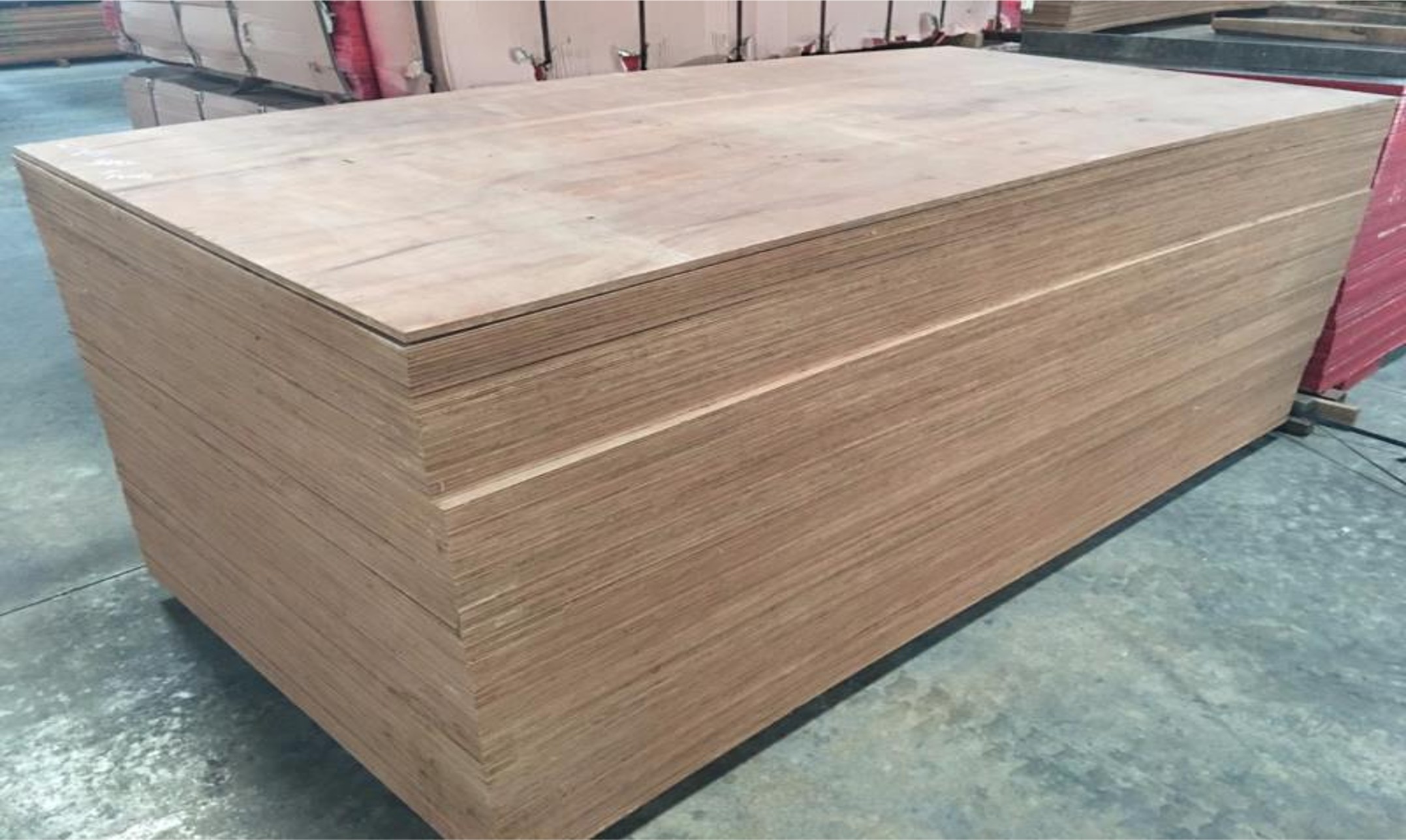
If MDF is the outer beauty, plywood is the skeleton that provides structural strength. Plywood is made by gluing together thin layers (veneers) of wood with their wood grain rotated up to 90 degrees adjacent to one another.
Unmatched Strength: This cross-grain construction gives plywood high impact resistance, exceptional nail and screw-holding power, and better moisture resistance than standard MDF.
Primary Uses: Plywood is chosen for main structural framing (known in the industry as framing studs), large booth backdrops, heavy-duty raised flooring that must support heavy foot traffic, and sturdy product shelves.
The MDM Secret: For pieces that require both structural strength and aesthetic perfection, we use plywood for the inner frame to bear weight, then face it with MDF for a flawless spray-painted finish. This gives you a booth that is both rock-solid and stunning. Plus, its durability makes it ideal for clients who want to re-use their booth at future events.
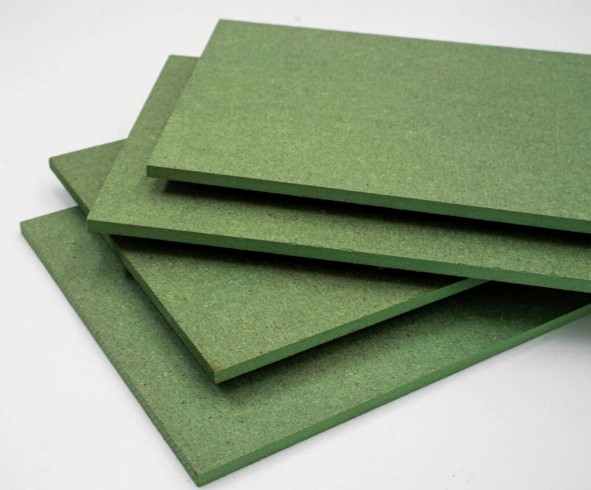
3. HMR (High Moisture Resistance Board): Moisture-Resistant MDF
Key Features: An evolution of standard MDF, HMR incorporates moisture-resistant resins into the core. It withstands water and humidity far better than regular MDF, while maintaining the same smooth, splinter-free finish suitable for industrial paint.
Ideal Applications in Exhibition Booths:
F&B (Food & Beverage) Booths: Perfect for bar counters, cooking stations, or areas involving water (glass washing) and high humidity, preventing water-damage swelling.
Semi-Outdoor Spaces: Booths set up in tents or open-air areas exposed to mist or accumulated moisture.
Note: While highly water-resistant, it shouldn't be submerged in water indefinitely, and it comes at a slightly higher cost than standard MDF.
4. OSB (Oriented Strand Board): The Raw, Industrial Choice
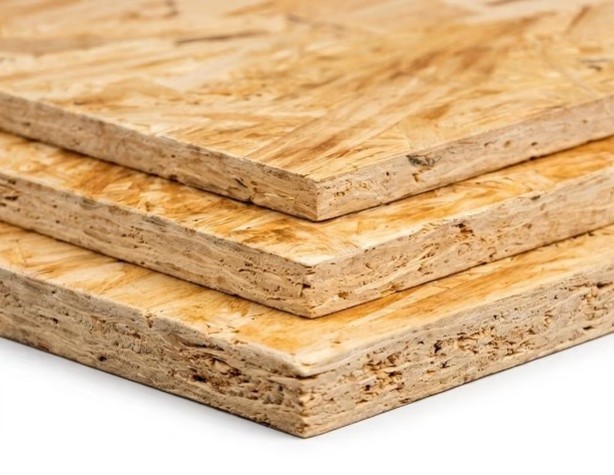
Key Features: Made from compressed wood strands arranged in specific cross-oriented layers with waterproof adhesives and wax. It offers incredible strength, flexibility, and load-bearing capacity, featuring a unique, textured pattern signature to Loft and Industrial styles.
Ideal Applications:
Loft / Minimalist / Raw Designs: Often finished with just a clear lacquer to showcase the natural, eye-catching wood grain texture without heavy painting.
Load-Bearing Structures & Display Walls: Great for heavy-duty backdrops that need to support heavy mounted items, or raised platforms requiring a slip-resistant textured surface.
Note: The surface is not as smooth as MDF, so it’s not recommended if you need a flat sticker finish—unless a raw wood look is part of the design!
Why Material Selection is the Heart of Production
At MDM, we believe a great exhibition booth isn't just about turning heads on show day—structural safety and engineering standards always come first.
Selecting the right wood grade, thickness, and type for each component of your booth is a reflection of our care for our clients. Every step—from building the plywood frames at our workshop and prepping the MDF surfaces to final on-site installation—is closely supervised by our project managers (like Nong Kla). We inspect structural integrity and decorative quality to ensure every booth is delivered in absolute perfection: strong, safe, and fully equipped to elevate your brand image.
Summary: Your Event Booth Wood Selection Guide
Choosing the right wood type ensures a stunning, structurally safe, and cost-effective booth:
MDF: Smooth and splinter-free; ideal for decorative pieces, counters, and premium display shelves.
Plywood: Tough and high-strength; ideal for main framing, backdrops, and frequently dismantled raised floors.
HMR (Moisture-Resistant): Highly water-resistant; ideal for F&B booths or semi-outdoor zones.
OSB: Strong load-bearing with a raw, edgy aesthetic; ideal for loft or industrial-style booths.
The Golden Rule: Invest in strong structures suited to your application and design for a professional, maximum-safety outcome.
Wood Materials Reference & Standards
1.Engineered Wood Panels Standards: Complies with Thai Industrial Standards (TIS) and international standards from the Composite Panel Association (CPA) regarding density, bending strength, and glue adhesion for Plywood, MDF, and Particle Board.
2.Moisture-Resistant Standards (HMR): Based on production standards for medium-density fiberboards infused with moisture-resistant resins (such as Melamine Urea Formaldehyde - MUF), specifying swell rates and relative humidity resistance for interior design and events.
3.Oriented Strand Board (OSB): Complies with the international EN 300 standard (European Standard for OSB types OSB 2, OSB 3, and OSB 4) regarding load-bearing capacities and environmental durability.
4.Exhibition & Event Industry Guidelines: Based on safety regulations for temporary structures in standard exhibition venues, which mandate that walls, raised floors, and weight-bearing points use materials meeting strict thickness and strength thresholds to prevent accidents.