How to Create a Professional and Engaging Exhibition Booth
How to Create a Professional and Engaging Exhibition Booth
Exhibiting through a trade show booth is widely used as a key marketing strategy to create business opportunities, meet new customers, and build business relationships. Systematic design and planning not only help draw attention but also clearly reflect the professionalism and identity of the organization.
1. Booth Design and Management
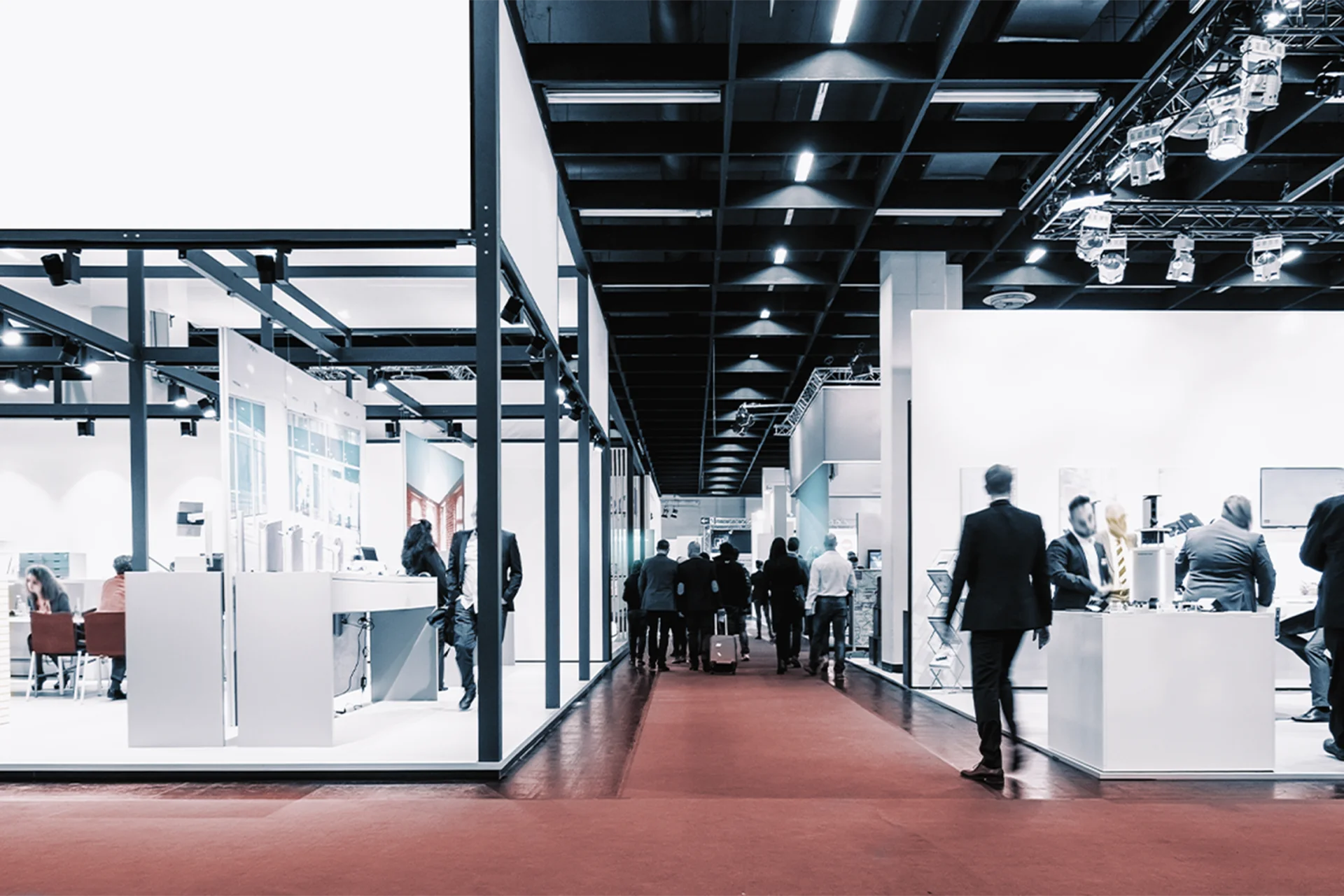
Booth design should focus on aesthetics, distinction, and alignment with brand identity—such as choosing colors, logos, typography, and graphics that clearly communicate the product. Additionally, there should be dedicated activity zones that encourage visitor participation, such as product trial corners, registration points, or seating areas for discussions, which foster engagement and help customers remember the brand better.
Kotler & Keller (2016) emphasize that booth layouts should be designed for immediate accessibility and visual appeal upon passing, as the first opportunity to attract customers happens within just a few seconds.
2. The Role of Experiential Marketing
Experiential marketing is a technique that leaves a lasting impression on customers through direct engagement with products. Instead of merely presenting information, it allows customers to touch, experience, and participate—such as testing products, playing quiz games, or joining giveaways. These activities help build memorability and positive emotional connections with the brand.
Schmitt (1999) points out that modern marketing must focus on experience rather than just information to build an emotional connection between the brand and the consumer.
3. The Importance of Booth Staff
The personnel working inside the booth serve as vital representatives of the organization. They should possess thorough product knowledge, strong communication skills, and the ability to make a great impression from the initial greeting. Furthermore, staff should be equipped to handle questions or inquiries professionally while displaying a friendly, confident, and trustworthy demeanor.
Hair et al. (2017) suggest that knowledgeable staff with strong communication skills can successfully convert casual visitors into high-potential customers.
4. Post-Event Evaluation
After an exhibition concludes, evaluation is an indispensable step. It involves gathering visitor data, analyzing satisfaction levels, and measuring Return on Investment (ROI). This data can then be used to refine future marketing strategies—whether for designing better booths next time or selecting the right types of events suited to the brand's target audience.
Armstrong & Kotler (2015) emphasize that marketing tracking and evaluation are critical components for making informed investment decisions in similar activities down the line.